PRODUCT PAGE / YZEFY SPROCKETS
Taper lock and QD sprockets
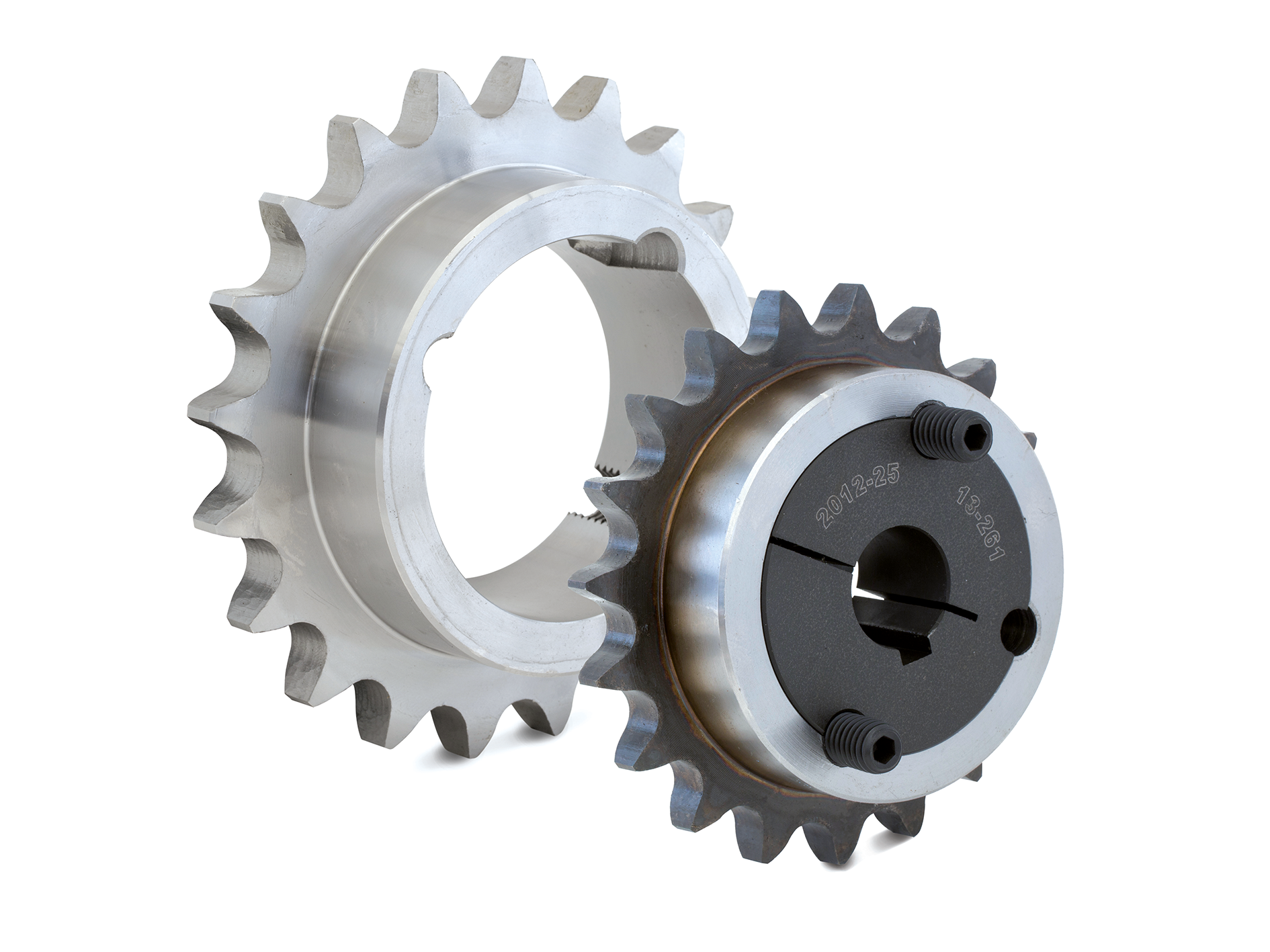
Taper lock and QD sprockets use removable bushing systems to mount a sprocket to a shaft. The tapered interface can simplify installation, replacement and service when the bushing series, shaft diameter, keyway and available clearance are correctly matched. The sprocket, bushing and shaft should be treated as one mounting system.
Product introduction
YZEFY Sprockets manufactures taper lock sprockets, taper bore sprockets and QD sprocket arrangements for roller chain drives, conveyors and OEM machinery. We can quote the sprocket alone or review a matched sprocket bushing and shaft interface when the project requires it. The applicable bushing dimensions must be confirmed before production.
Main uses
- Taper bush sprockets for removable shaft mounting
- QD sprockets for serviceable industrial chain drives
- Replacement sprockets where a bushing system is already installed
- Conveyor and packaging machinery with limited maintenance access
- OEM drives that need repeatable shaft mounting and removal
Suitable industries
Power transmission, material handling, packaging, agricultural equipment, woodworking and general OEM machinery use taper lock and QD configurations. These options are useful when maintenance teams need to remove a sprocket without permanently machining a new shaft interface.
Core advantages
- Removable bushing interface for planned service and replacement
- Bore and keyway defined by the selected taper lock or QD bushing
- Options for plate or hub sprocket bodies
- Drawing-based review of shaft, chain line, guard clearance and bushing access
Product features
- Materials: C45 and 40Cr alloy steel are common choices. Stainless steel, cast iron, aluminum or engineering plastic can be reviewed when the application requires a different material.
- Machining: Tooth cutting, sprocket body machining, taper bore preparation, bushing interface work and deburring can be arranged to the selected system.
- Dimensional accuracy: Inspection includes tooth pitch, tooth profile, taper interface, face position, bore or bushing dimensions, keyway, concentricity and runout.
- Surface treatment: Induction hardening, carburizing or a specified protective finish can be considered for tooth wear and environmental exposure.
- Standards: ANSI, DIN, ISO, BS and JIS chain references can be used for chain engagement. The taper lock or QD bushing standard must be confirmed separately.
- Custom capability: Tooth count, sprocket body, bushing series, hub, keyway, material, surface treatment and assembly requirements can be specified.
Applications
- Conveyor systems: Drive and return sprockets where planned replacement access matters
- Packaging machinery: Removable sprocket assemblies around compact shafts
- Agricultural equipment: Serviceable drives exposed to seasonal maintenance and dust
- Food processing equipment: Material and surface options reviewed for cleaning and corrosion conditions
- OEM machinery: Taper lock or QD drive designs specified in the machine drawing
- MRO replacement: Sprockets matched to an existing bushing and shaft arrangement
Selection guide
- Identify the chain. Confirm chain standard, series, pitch, roller dimensions and strand count.
- Identify the bushing. Record taper lock or QD series, shaft diameter, keyway and the current sprocket dimensions.
- Check installation access. Measure clearance for bushing screws, removal tools, guards, bearings and adjacent components.
- Confirm chain line. State the face position from the shaft shoulder or reference surface so the sprocket sits in the correct plane.
- Review drive duty. Provide speed, load, shock, operating hours, dust, moisture and temperature for material and treatment selection.
- Send the existing assembly when possible. A clear photo and key dimensions can prevent a mismatch between sprocket body and bushing.
Why choose YZEFY Sprockets
- Manufacturing capability: We can combine tooth cutting, taper interface machining, hub work, keyway control, heat treatment and dimensional inspection.
- Custom engineering support: We review the sprocket and bushing as a mounting pair, including shaft size and chain line.
- Quality control: Tooth profile, taper interface, bushing dimensions, face position, bore, keyway and runout can be checked to the agreed specification.
- Export experience: We coordinate matched components, identification, packing and export documents for standard and custom taper lock sprocket orders.
FAQ
What is the difference between a taper lock sprocket and a QD sprocket?
Both use removable bushing systems, but the bushing geometry and installation method are different. The shaft diameter, keyway and available clearance determine which system is suitable. They should not be substituted by name alone.
Do you supply the bushing with the sprocket?
The quotation can be for a sprocket only or for a matched sprocket and bushing assembly. State the required bushing series and shaft diameter so the supply scope is clear.
Can a taper lock sprocket be supplied with a finished bore?
A sprocket designed for a taper lock or QD bushing normally uses the specified bushing interface. If a finished bore is required instead, provide the shaft and locking details for a separate design review.
How do I select a taper bush sprocket?
Confirm chain size, teeth, bushing series, shaft diameter, keyway, chain line, guard clearance and working conditions. The bushing information is as important as the sprocket tooth count.
Can you replace a sprocket while I reuse the existing bushing?
This can be reviewed when the bushing is in good condition and the interface dimensions are known. Send the bushing marking, shaft size and sprocket dimensions before assuming reuse is possible.
What causes a taper lock sprocket to run out?
A damaged bushing, incorrect installation, contamination on the taper faces, a worn keyway, shaft damage or incorrect face positioning can cause runout. Check the complete mounting system during replacement.
Request a quote
Send the chain designation, teeth, taper lock or QD bushing series, shaft diameter, keyway, chain line, material, quantity and application. Photos of the current assembly are useful. Use Request a Quote or Send Your Drawing.