PRODUCT PAGE / YZEFY SPROCKETS
Simplex, duplex and triplex sprockets
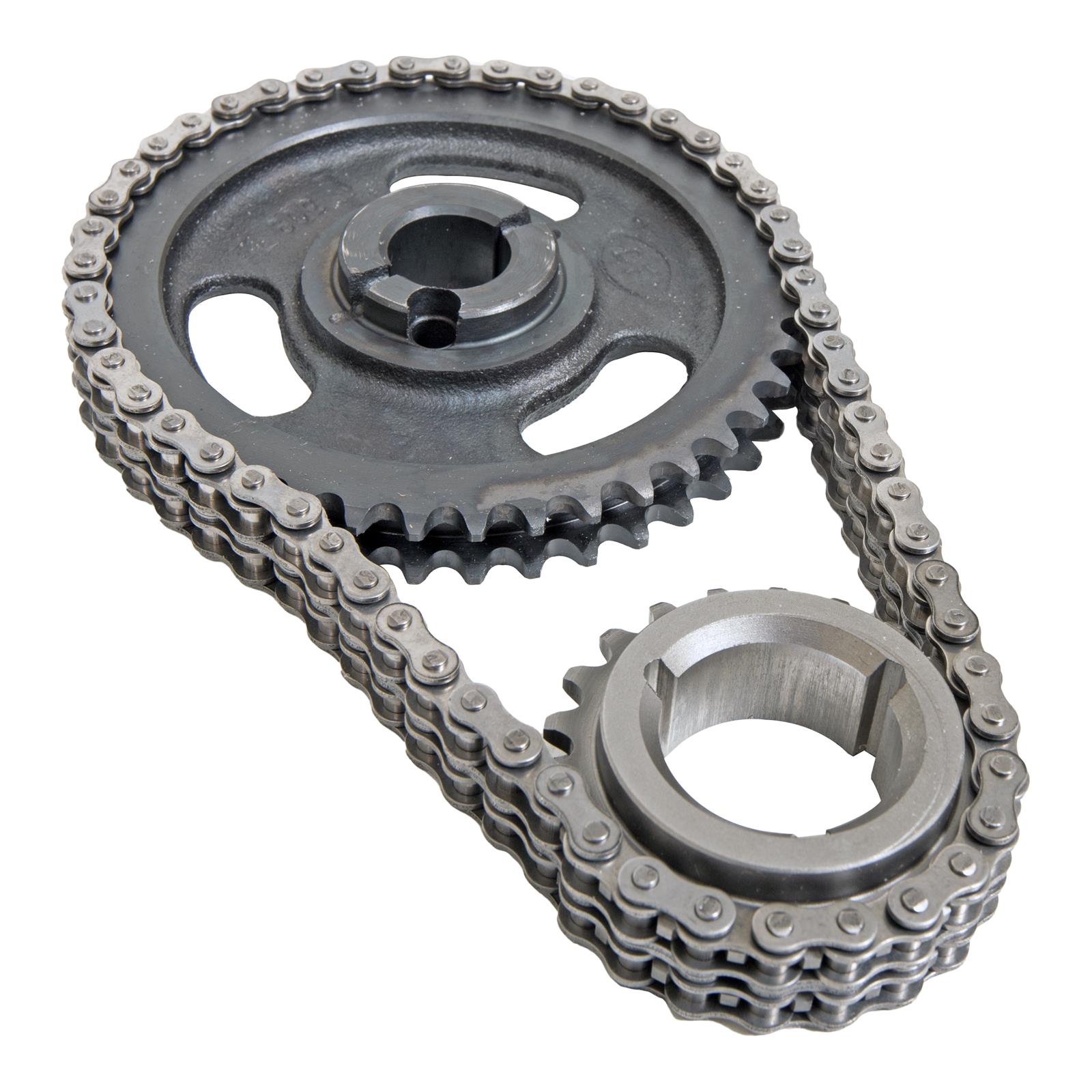
Simplex, duplex and triplex sprockets are selected by the number of roller chain strands they engage. A simplex sprocket runs one chain row, a duplex sprocket runs two rows, and a triplex sprocket runs three rows. The sprocket face, tooth profile and chain center lines must match the selected multi-strand chain.
Product introduction
YZEFY Sprockets manufactures single and multi-strand roller chain sprockets for power transmission, conveyors, OEM machinery and replacement work. We can supply plate or hub configurations, finished or pilot bores, and custom mounting details. Multi-strand selection should be based on the chain and drive load, not on the outside appearance of an existing sprocket alone.
Main uses
- Simplex sprockets for standard single-strand chain drives
- Duplex sprockets for two-strand power transmission or conveying
- Triplex sprockets for three-strand drives where the design calls for additional chain capacity
- Replacement sprocket sets with matched tooth counts and shaft positions
- Custom multi-strand sprockets for OEM equipment
Suitable industries
Packaging, agricultural machinery, conveyors, woodworking, food processing, material handling and general industrial drives use simplex chain sprockets and multi-strand sprockets. Correct strand spacing matters when several chains share the same shaft.
Core advantages
- Strand-specific tooth and face arrangements
- Plate, hub, taper lock and QD options for different shaft interfaces
- Materials and treatments selected against load, speed and environment
- Drawing and sample review for duplex, triplex or unusual multi-row layouts
Product features
- Materials: C45 and 40Cr alloy steel are common for industrial drive sprockets. Stainless steel, cast iron, aluminum and engineering plastics can be considered for other loads or environments.
- Machining: Tooth cutting, turning, bore and keyway machining, hub work and deburring can be combined in the production route. Strand spacing is checked against the chain arrangement.
- Dimensional accuracy: Inspection focuses on chain pitch, tooth profile, tooth count, strand spacing, tooth alignment, bore, keyway, concentricity and runout.
- Surface treatment: Induction hardening, carburizing or specified protective treatment can be considered for wear, impact or corrosion requirements.
- Standards: ANSI, DIN, ISO, BS and JIS chain references can be used. A duplex or triplex sprocket must match the chain series and strand spacing.
- Custom capability: Tooth count, number of strands, face arrangement, bore, keyway, hub, material and treatment can be specified for the assembly.
Applications
- Conveyor systems: Multi-strand drive sprockets for synchronized chain rows
- Packaging machinery: Simplex or duplex roller chain drives in compact machine frames
- Agricultural equipment: Multi-strand drives used where dust and shock loads affect service
- Food processing equipment: Stainless steel or protected multi-row sprockets where cleaning conditions require it
- OEM machinery: Custom duplex and triplex sprockets with fixed chain center lines
- Replacement work: Matched sprocket pairs for worn multi-strand chain drives
Selection guide
- Identify the number of strands. Confirm whether the drive uses simplex, duplex or triplex chain and provide the chain marking.
- Confirm chain size and pitch. Check the full standard and series. Do not mix an ANSI chain with a metric or British Standard sprocket based only on a similar nominal size.
- Check row spacing and alignment. Measure the distance between chain rows, the required face width and the alignment of the driver and driven shafts.
- Set the tooth counts and ratio. Confirm speed, load, chain wrap, center distance and the available sprocket diameter.
- Specify the mounting. Provide shaft diameter, keyway, bore tolerance, hub length and bushing or locking details.
- Review operating conditions. Note impact, dust, moisture, washdown, temperature and operating hours before choosing material or treatment.
Why choose YZEFY Sprockets
- Manufacturing capability: Our workflow can combine tooth cutting, multi-row spacing control, hub machining, keyway work, heat treatment and inspection.
- Custom engineering support: We review chain rows as an assembly so the simplex, duplex or triplex sprocket maintains the required chain center lines.
- Quality control: Tooth pitch, strand spacing, face alignment, bore, keyway and runout can be checked against the drawing.
- Export experience: We coordinate matched sets, packaging, identification marks and export documents for OEM and replacement orders.
FAQ
What is the difference between simplex, duplex and triplex sprockets?
The terms describe the number of chain strands the sprocket engages: one, two or three. The chain series and the spacing between rows must also match the sprocket.
Can a duplex sprocket run a simplex chain?
Do not assume that it can. The face width and tooth arrangement may not place the chain correctly. Select a sprocket designed for the actual strand count or confirm the complete assembly with an engineer.
How do I choose a duplex sprocket size?
Confirm the duplex chain series, pitch, roller dimensions, tooth count, row spacing, bore and hub. A duplex sprocket size chart is useful only when it uses the same chain standard as the chain on the machine.
Can you supply simplex, duplex and triplex sprockets in one order?
Yes. Different strand configurations can be reviewed in one project when the drawings, quantities and chain information are provided.
Can you make a multi-strand sprocket from a sample?
Yes. A sample or worn part can start the review, but row spacing, tooth alignment and the chain designation should be confirmed before production.
What causes uneven wear on a duplex or triplex sprocket?
Misaligned shafts, unequal chain tension, worn chains, incorrect row spacing or a damaged tooth profile can cause uneven wear. Check the chain and shaft alignment before ordering a replacement.
Request a quote
Send the chain standard, strand count, chain size, teeth, row spacing, bore, keyway, hub, material, quantity and application. Include a drawing or photos for replacement work. Use Request a Quote or Send Your Drawing.