PRODUCT PAGE / YZEFY SPROCKETS
Weld-on sprockets
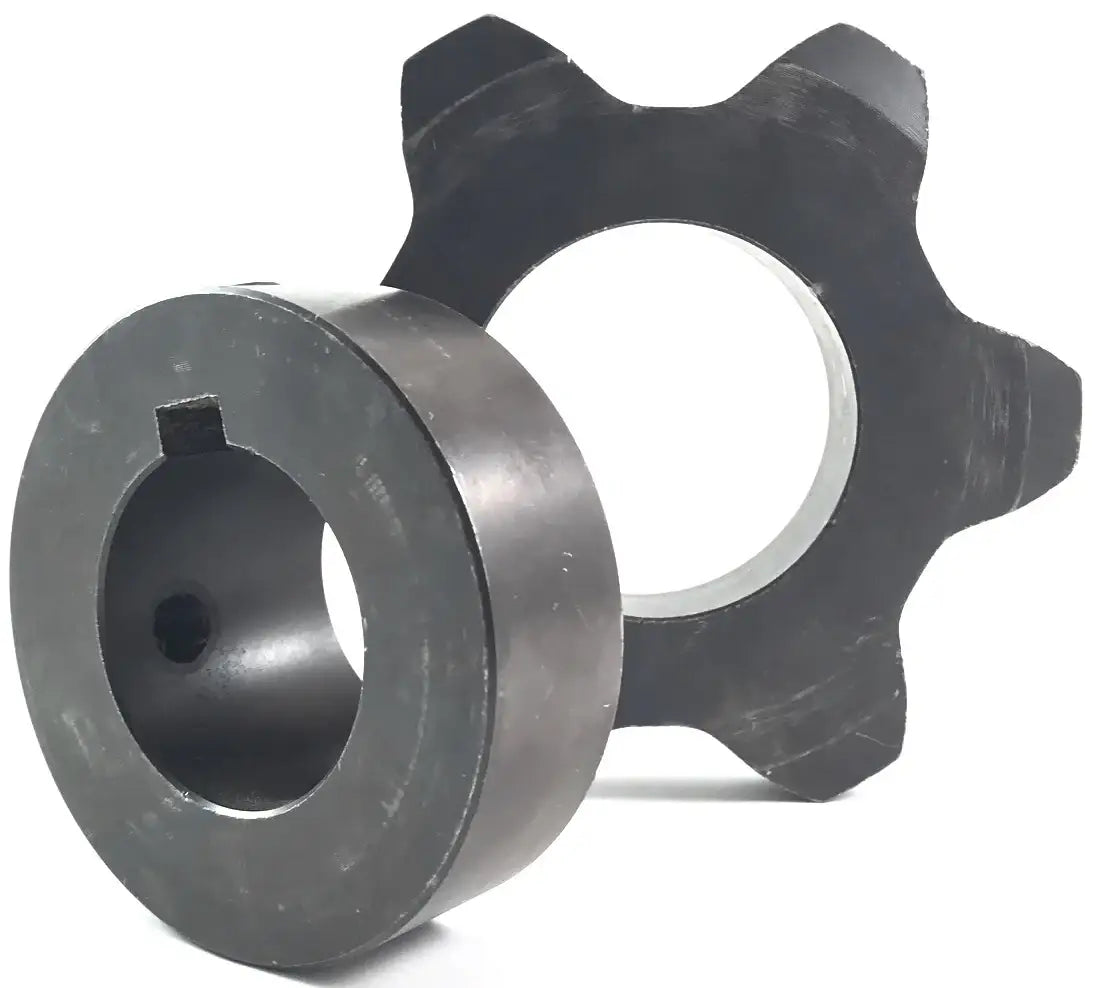
Weld-on sprockets are sprocket components intended to be welded to a hub, plate, tube or fabricated carrier. They are used when the final shaft or frame interface is built by the equipment manufacturer or maintenance team. The sprocket tooth geometry must match the chain, while the weld land and carrier must support the required alignment and load.
Product introduction
YZEFY Sprockets manufactures weld-on sprockets, weld-on sprocket hubs and sprocket blanks for conveyor, agricultural, packaging and custom chain drive equipment. We can supply the tooth ring, weld-on hub or a defined assembly interface. The customer or integrator should provide the carrier material, weld area and installation process for review.
Main uses
- Weld-on sprocket rings for fabricated drive assemblies
- Weld-on sprocket hubs for conveyors and agricultural equipment
- Sprocket blanks for custom machining or welding
- Replacement of worn toothed components in field-built equipment
- OEM chain drive components with a customer-defined carrier
Suitable industries
Conveyors, agricultural equipment, grain and material handling, packaging, woodworking and general fabrication use weld-on sprockets. These components are useful when a standard hub does not fit the shaft or when the sprocket is part of a fabricated drum or carrier.
Core advantages
- Tooth ring and carrier interface can be defined separately
- Options for blank bore, weld land, hub and fabricated assembly
- Material and heat treatment reviewed with the welding process
- Drawing-based production for replacement and OEM fabrication work
Product features
- Materials: C45 and 40Cr alloy steel are common options. Stainless steel, cast iron or other specified materials can be reviewed when the carrier and welding process are compatible.
- Machining: Tooth cutting, outside and inside diameter machining, weld land preparation, hub turning, bore work and deburring can be arranged to the design.
- Dimensional accuracy: Inspection covers tooth pitch, tooth profile, weld land, concentricity, runout, bore and carrier interface. Final assembly alignment depends on the welding process and fixture.
- Surface treatment: Induction hardening, carburizing or protective finishes can be considered, but the treatment plan must account for the weld area and heat input.
- Standards: ANSI, DIN, ISO, BS and JIS chain references can be used for tooth engagement. The weld-on carrier is defined by the customer’s drawing.
- Custom capability: Tooth count, blank bore, weld land, hub, carrier interface, material, treatment, marking and assembly details can be specified.
Applications
- Conveyor systems: Weld-on drive and return components for fabricated frames or drums
- Agricultural equipment: Custom chain drives for planters, harvesters and feed systems
- Packaging machinery: Fabricated sprocket assemblies in special machine layouts
- Grain and material handling: Sprocket rings and hubs for dusty conveying equipment
- Woodworking machinery: Custom carrier-mounted chain sprockets
- OEM machinery: Weld-on components designed into a controlled machine drawing
Selection guide
- Identify the chain. Provide standard, series, pitch, roller dimensions, strand count and tooth count.
- Define the carrier. Send the hub, tube, plate or shaft drawing, including material, wall thickness, weld area and locating surfaces.
- Check the welding route. State whether the sprocket is welded before or after heat treatment and what fixture or alignment reference is used.
- Confirm the chain line. Give the final face position, runout requirement and adjacent component clearance.
- Review the load and environment. Include speed, torque, impact, dust, moisture, temperature and operating hours.
- Set the inspection scope. Define tooth, bore, runout, weld interface, hardness and any final assembly checks required.
Why choose YZEFY Sprockets
- Manufacturing capability: We can machine the tooth ring, weld land, hub and bore, then inspect the component against the drawing before shipment.
- Custom engineering support: We review the sprocket, carrier material and welding sequence together because weld distortion can affect chain line and runout.
- Quality control: Tooth profile, pitch, weld interface, concentricity, runout and critical mounting dimensions can be defined for inspection.
- Export experience: We coordinate component identification, welding notes, packing and shipping information for OEM and replacement fabrication projects.
FAQ
What is a weld-on sprocket?
It is a sprocket component designed to be welded to a hub, plate, tube or carrier. The sprocket is not a complete shaft assembly unless the quotation specifically includes the carrier and welding work.
Do you supply the weld-on sprocket hub as well?
Yes. A weld-on sprocket ring, hub, blank or defined assembly interface can be reviewed. Send the carrier drawing and weld area so the scope is clear.
Can a hardened sprocket be welded?
The answer depends on material, treatment, weld location and heat input. Welding can affect a hardened area or cause distortion, so the production and welding sequence must be reviewed before approval.
How do I maintain alignment after welding?
Use the carrier drawing, a suitable fixture and a defined datum for the chain line. The final assembly should be checked for concentricity and runout before installation.
Can you manufacture a weld-on sprocket from a worn part?
Yes. Provide the chain marking, teeth, weld interface, carrier dimensions and photos. A worn part may not show the original weld land or bore, so the carrier should also be measured.
Are weld-on sprockets suitable for conveyor repairs?
They can be suitable for fabricated conveyor repairs when the chain, load, weld area and alignment are reviewed. The final installation method remains part of the repair design.
Request a quote
Send the chain size, teeth, weld-on style, carrier or hub drawing, material, weld area, treatment, quantity and application. Include the final chain line and inspection requirements. Use Request a Quote or Send Your Drawing.