PRODUCT PAGE / YZEFY SPROCKETS
Conveyor chain sprockets
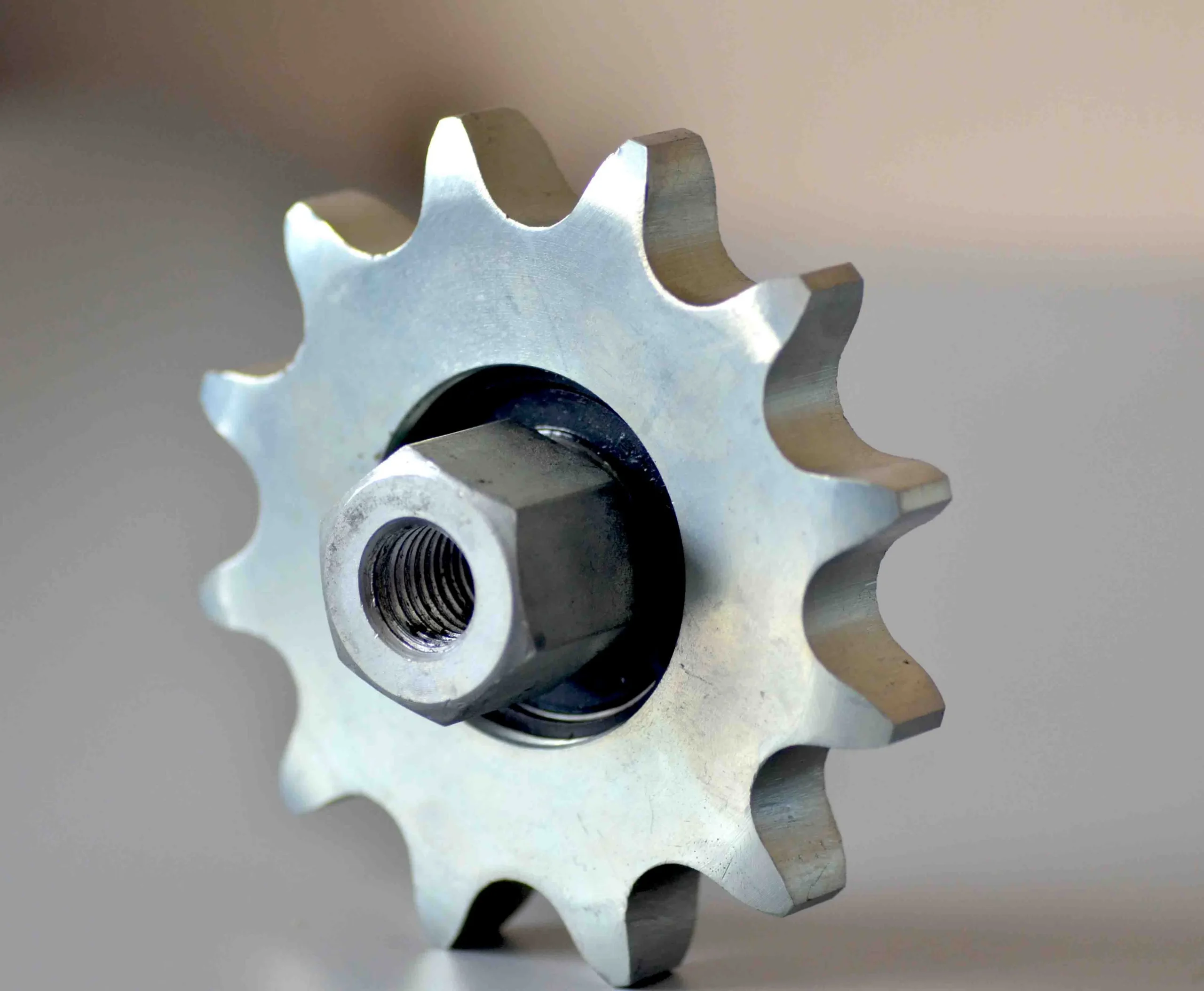
Conveyor chain sprockets engage the chain that carries, pulls or positions material through a conveyor system. Their design depends on the conveyor chain, pitch, roller or attachment geometry, tooth count, shaft mounting and the working environment. A conveyor sprocket should not be selected from outside diameter alone.
Product introduction
YZEFY Sprockets manufactures conveyor chain sprockets for drive shafts, return shafts, idler stations and custom conveying equipment. We can review roller conveyor sprockets, drag chain sprockets, bucket elevator sprockets and other chain-driven arrangements from a drawing, chain sample, worn part or dimensioned photo.
Main uses
- Conveyor drive sprockets for material handling lines
- Return, idler and tensioner sprockets for chain guidance
- Sprockets for drag conveyors and bucket elevator systems
- Replacement sprockets for packaging and agricultural conveyors
- Custom conveyor chain sprockets for OEM equipment
Suitable industries
Material handling, packaging, agriculture, food processing, woodworking, mining, building materials and general industrial conveying use conveyor sprockets. The correct material and surface treatment depend on load, impact, moisture, dust, washdown and operating hours.
Core advantages
- Product review based on the actual conveyor chain and chain line
- Options for drive, return, idler, split, weld-on, hub and bushing designs
- Materials and treatment considered for continuous or abrasive service
- Drawing and sample support for replacement and OEM conveyor parts
Product features
- Materials: C45 and 40Cr alloy steel are common for industrial conveyor sprockets. Stainless steel, cast iron, aluminum or engineering plastics can be reviewed for corrosion, weight or product-contact conditions.
- Machining: Tooth cutting, turning, bore and keyway machining, hub work, split preparation and deburring can be arranged according to the conveyor design.
- Dimensional accuracy: Inspection covers chain pitch, tooth profile, tooth count, sprocket width, bore, keyway, chain line, concentricity and runout.
- Surface treatment: Induction hardening, carburizing or specified protective finishes can be considered when conveyor duty creates tooth wear or corrosion exposure.
- Standards: ANSI, DIN, ISO, BS and JIS chain references can be used where applicable. Conveyor chain names and dimensions must be confirmed from the chain supplier or drawing.
- Custom capability: Tooth count, pitch, width, bore, hub, split line, weld-on interface, material and treatment can be customized.
Applications
- Conveyor systems: Drive and return sprockets for material handling lines
- Packaging machinery: Roller conveyor sprockets for indexed or continuous movement
- Agricultural equipment: Sprockets for grain, feed, planter and harvesting equipment
- Food processing equipment: Stainless steel or protected chain sprockets where washdown or corrosion matters
- Bucket elevators: Elevator chain sprockets matched to the chain and bucket assembly
- Mining and building materials equipment: Heavy-duty conveyor sprockets for dusty or impact-loaded service
- OEM machinery: Custom conveyor sprockets designed for a specific chain and shaft arrangement
Selection guide
- Identify the conveyor chain. Confirm chain series, pitch, roller diameter, attachment, width and strand count. If it is a drag or elevator chain, provide the chain drawing.
- Define the sprocket position. State whether the part is a conveyor drive sprocket, return sprocket, idler or tensioner.
- Set the tooth count and speed. Check chain speed, wrap, center distance, conveying rate and available sprocket diameter.
- Measure the shaft interface. Provide bore, keyway, hub length, bushing arrangement, shaft shoulder and chain line.
- Review the working conditions. Include load, impact, dust, moisture, washdown, temperature, abrasive material and operating hours.
- Check the mating parts. Inspect the chain, wear strips, guides, shaft alignment and adjacent sprockets before approving a replacement.
Why choose YZEFY Sprockets
- Manufacturing capability: Our production route can include tooth cutting, hub and bore machining, split or weld-on preparation, heat treatment and final inspection.
- Custom engineering support: We review the conveyor chain, chain line and shaft arrangement together so the sprocket fits the complete conveyor system.
- Quality control: Pitch, tooth profile, width, bore, keyway, concentricity and runout can be checked against the drawing or agreed replacement dimensions.
- Export experience: We coordinate conveyor part identification, packing and shipping information for OEM, replacement and maintenance orders.
FAQ
What is a conveyor chain sprocket?
It is a toothed component that engages a conveyor chain to drive, guide or return the chain. The chain type, pitch, roller or attachment dimensions and chain line define the correct sprocket.
Can a standard roller chain sprocket be used on a conveyor?
Only when the conveyor chain has matching pitch and roller geometry and the sprocket width and mounting suit the equipment. A standard roller chain sprocket should not be substituted without checking the chain details.
Can you make a bucket elevator sprocket?
Yes. Send the elevator chain drawing or sample, pitch, tooth count, bore, hub, shaft size and bucket or attachment arrangement. The sprocket is reviewed together with the chain and elevator layout.
What causes fast wear on a conveyor sprocket?
Common causes include an incorrect chain profile, poor shaft alignment, overload, impact, contamination, inadequate lubrication or a worn chain. Check the chain and alignment before selecting a new sprocket material or treatment.
Do you supply conveyor drive and return sprockets?
Yes. Drive, return, idler and tensioner positions can be specified. The quotation should identify the position because the mounting and service duty may differ.
Can you provide conveyor chain sprocket drawings?
A production drawing can be prepared or reviewed when the chain, tooth count and mounting details are defined. If a catalogue or replacement drawing is needed, state the required format and dimensions.
Request a quote
Send the conveyor chain type, pitch, roller or attachment dimensions, teeth, bore, keyway, hub, material, quantity and working conditions. Add a drawing, chain sample or photos when available. Use Request a Quote or Send Your Drawing.